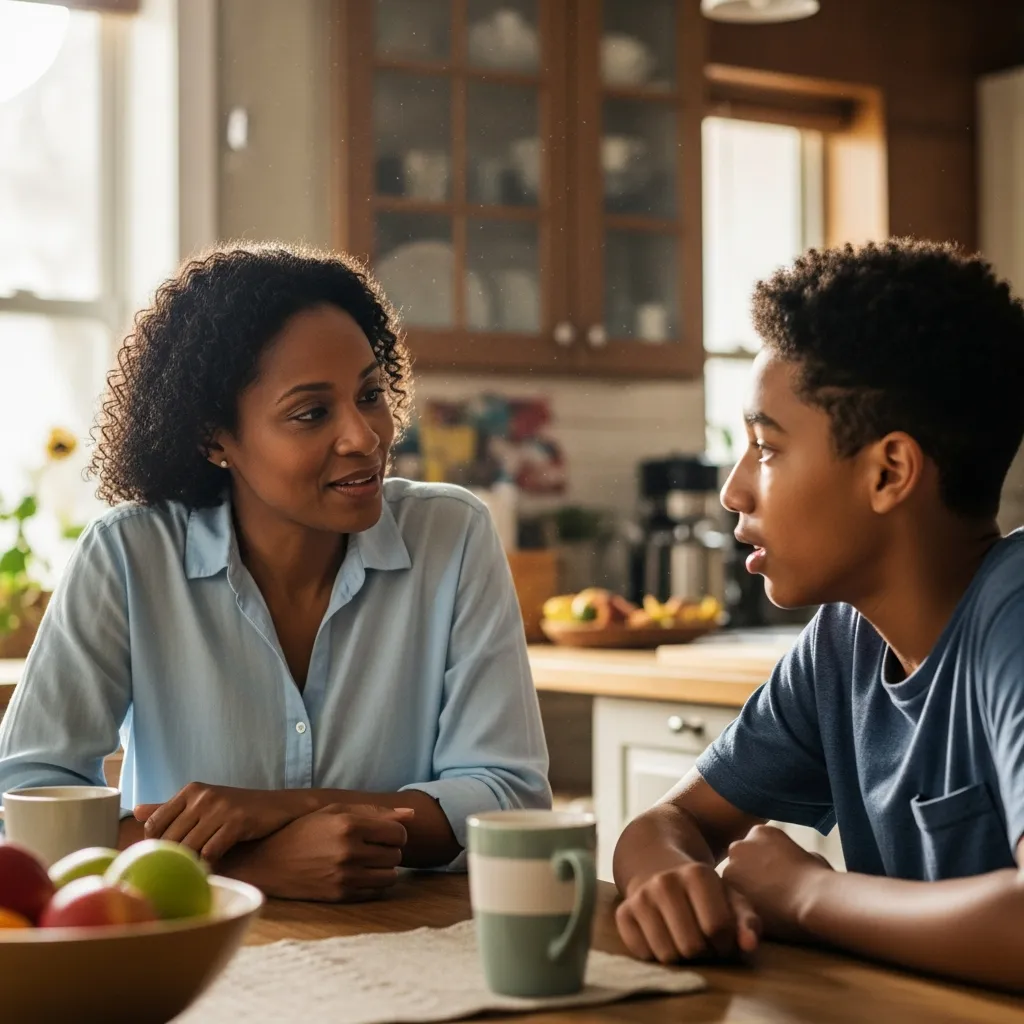
As your child enters the teen years, you may notice signs of anxiety or a loss of confidence in everyday activities. These feelings and behaviors can start to affect your entire family and your quality of life. Teen counseling is designed to improve family relationships and to build skills your teen can use for a lifetime.
Here are some of the most important skills that teen counseling focuses on, what each one looks like in practice, and how parents can support them at home.
How does teen counseling build social skills?
Social skills can be hard for teenagers to develop because they are going through so many changes at once. Friendships shift as kids enter high school and join different clubs and activities. Teen counseling helps them learn how to connect with others and build skills they will use later, such as when they start college, begin a new job or move to a new town.
In sessions, that can mean practicing how to start a conversation, how to join a group, how to say no to a friend, or how to repair a friendship after a disagreement. For teens who feel anxious in social settings, a counselor can break these situations into smaller, manageable steps.
What coping skills do teens learn in counseling?
Many teenagers do not yet know that there are healthy ways to cope with strong feelings. Teen counseling guides them toward productive coping skills instead of the self-destructive actions some young people turn to. Whether your family has lost a loved one or the ordinary changes of growing up feel heavy and hard to deal with, this skill is invaluable.
Coping skills a teen might practice include:
- Noticing early signs of stress in the body, such as a tight chest or clenched jaw.
- Slow breathing and grounding exercises for moments of panic or anger.
- Putting feelings into words instead of acting on them.
- Breaking big problems, like a pile of schoolwork, into small steps.
- Knowing who to reach out to when things feel overwhelming.
Some teens benefit from a structured approach. Dialectical behavior therapy (DBT) teaches specific skills for managing intense emotions, tolerating distress and getting along with others, and it is often used with teens who struggle with self-harm or emotional ups and downs.
How do communication skills help at home?
Many conflicts between parents and teens come down to communication. Teens may feel lectured or misunderstood, while parents may feel shut out. Counseling helps teens express what they need clearly and respectfully, and helps them listen without immediately getting defensive. These skills carry over to friendships, teachers and, later, coworkers and partners.
Why is parenting part of teen counseling?
Improving parenting skills is an important part of teen counseling, because the methods you use at home shape how well new skills stick. Having a neutral space where everyone can express feelings in a positive way is the first step. When parents keep learning and practicing alongside their teen, the teen sees those skills modeled and is more likely to use them, now and when they have families of their own.
Ways parents can support what their teen is learning
- Ask open questions (“What was the hardest part of today?”) rather than yes-or-no ones.
- Stay calm when your teen is upset, so they can borrow your calm.
- Praise effort, such as using a coping skill, rather than only results.
- Respect your teen’s privacy in counseling while staying in touch with the counselor about safety and general progress.
How do I know if my teen needs counseling?
Some moodiness is a normal part of adolescence. It may be time to reach out if you notice changes that last more than a few weeks, such as withdrawing from friends or family, falling grades, trouble sleeping, frequent anger, signs of anxiety or depression, or any sign of self-harm. You know your child best, and it is always reasonable to ask a professional when something feels off. Learn more about common adolescent issues that counseling can help with.
What does a teen counseling session look like online?
Online teen counseling happens on secure video from a private spot at home, such as a bedroom with the door closed. A typical session starts with a check-in about the week, moves to one or two issues the teen wants to work on, and often ends with a small skill to try before the next meeting. Parents may join for part of some sessions to talk about routines, rules or a recent conflict. Many teens are used to video and find it easier to open up from their own space.
Getting help for your teen
Dr. Audrey Kteily, PhD, LPC-S, LMHC, CFLE, has more than 20 years of experience working with teens ages 12 to 18 and their parents. She combines individual sessions with family work so that both the teen and the parents grow together. Sessions are held online through secure video, which many teens find more comfortable than sitting in an office, and are available to families in Texas, New Jersey and New York. To ask a question or schedule, contact Dr. Audrey or text (917) 905-3183.