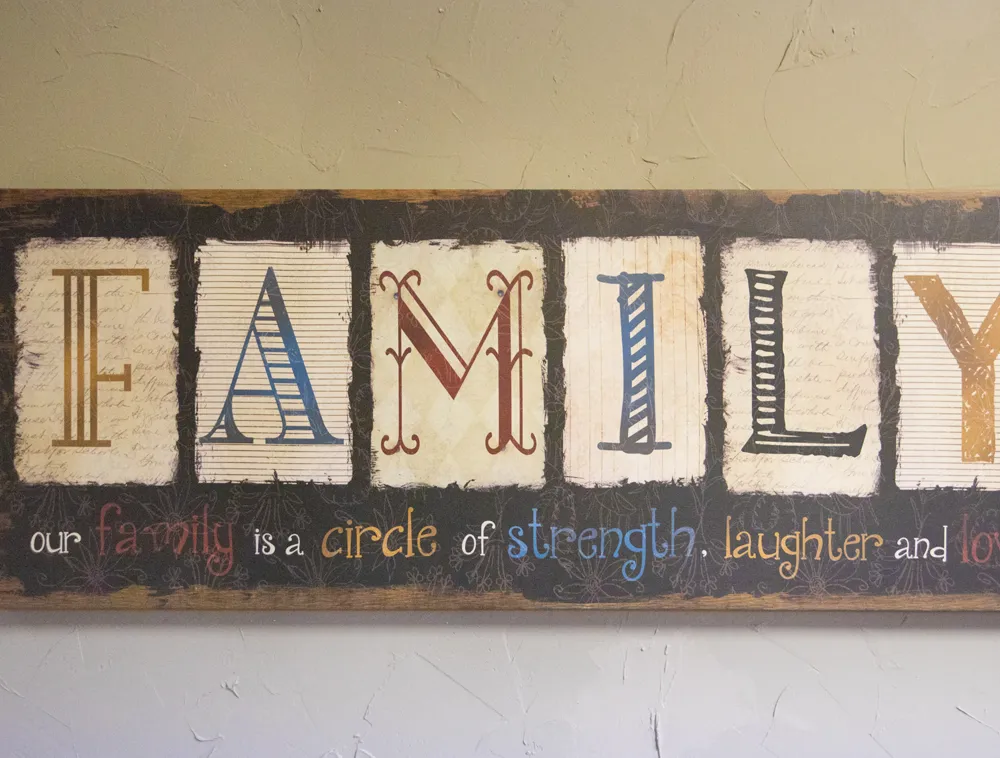
When you decide to bring the people you love into youth and family counseling, some of them may push back or feel they do not need it. A teenager may roll their eyes, a spouse may say the family is "fine," and a younger child may not understand why everyone is meeting with a counselor at all. Those reactions are normal, and they are worth hearing out.
Still, there are real benefits every family member should know about before turning away from the idea. Here are five advantages that youth and family counseling has to offer, what each one looks like in practice, and how you can get started.
#1: It opens your family up to honesty
When someone in your family loses their temper quickly or cuts off all communication in a heartbeat, it creates barriers that are hard to break through. Youth and family counseling works to get to the root of the problem instead of talking around the issue at hand.
In a session, the counselor sets ground rules so each person can speak without being interrupted, mocked or punished afterward. That structure matters. A teen who would never say "I feel like nobody listens to me" at the dinner table will often say it when a neutral adult is guiding the conversation and the parents have agreed to listen first.
#2: It promotes self-worth
Our own self-worth makes a big difference in how we treat the people we love. When you take part in youth and family counseling, you learn why self-worth matters and how to strengthen it in each member of your family. You may not realize how much it shapes daily life until you acknowledge and address it.
For young people, self-worth is built through small, repeated experiences: being noticed for effort, being trusted with age-appropriate responsibility and being corrected without being shamed. A counselor can help parents spot the moments that chip away at a child's confidence and replace them with ones that build it. Parents often benefit too, since it is hard to model self-respect while feeling like a failure at home.
#3: You learn how to deal with anger
Many people do not know how to handle their temper and end up saying the most hurtful words to the people they love. When this becomes a pattern, it should not be ignored. Youth and family counseling gives everyone a safe place to talk about anger and learn better ways to cope with it, rather than lashing out.
What anger skills does a family practice in counseling?
- Noticing early warning signs in the body, such as a tight jaw, a racing heart or a raised voice.
- Taking an agreed-upon break and coming back to the conversation at a set time.
- Naming the feeling under the anger, which is often hurt, fear or embarrassment.
- Repairing after a blowup with a specific apology and a plan for next time.
Skills from Dialectical Behavior Therapy (DBT), such as emotion regulation and distress tolerance, are especially helpful for teens and parents who feel emotions intensely.
#4: It brings your family closer together
When you set aside regular, focused time for your family, you start to feel closer and stronger as a unit. Every day the issues are ignored, people tend to pull further away. When you accept each other and face the situation together, you start coming together more willingly and with much more warmth.
Closeness does not mean everyone agrees. It means each person trusts that the others will stay in the relationship through disagreements. Counseling helps families practice that kind of trust, for example by having a parent and teen plan one small shared activity each week and talk in session about how it went.
#5: You will have a plan of action
When you try to fix family problems on your own, it can be hard to know where to start. Simply promising to treat each other with more respect will not necessarily get the job done. You need a plan of action, and youth and family counseling gives you one.
A good plan names a few clear goals, the steps each person will take, and how the family will know things are improving. It might include a new routine for homework and screens, a weekly family meeting, or individual sessions for a teen alongside family sessions. Having it written down makes it easier to stay on track between appointments.
What if a family member refuses to come?
Counseling can start with whoever is willing. Change in one part of a family often changes the whole system, which is the core idea of family systems counseling. A parent who learns new ways to respond can shift the mood at home even before a reluctant teen joins. Many hesitant family members agree to attend once they see that sessions are not about blaming one person.
It also helps to invite rather than demand. Explain that you want the whole family to feel better, that everyone will get a turn to speak, and that they can try a session before deciding.
Getting help for your family
Help is closer than you may realize. Dr. Audrey Kteily, PhD, LPC-S, LMHC, CFLE, has more than 20 years of experience with teens and families, and every session is held online by secure video for families in Texas, New Jersey and New York. Family members can even join from different homes. To start, reach out to Dr. Audrey or text or call (917) 905-3183.