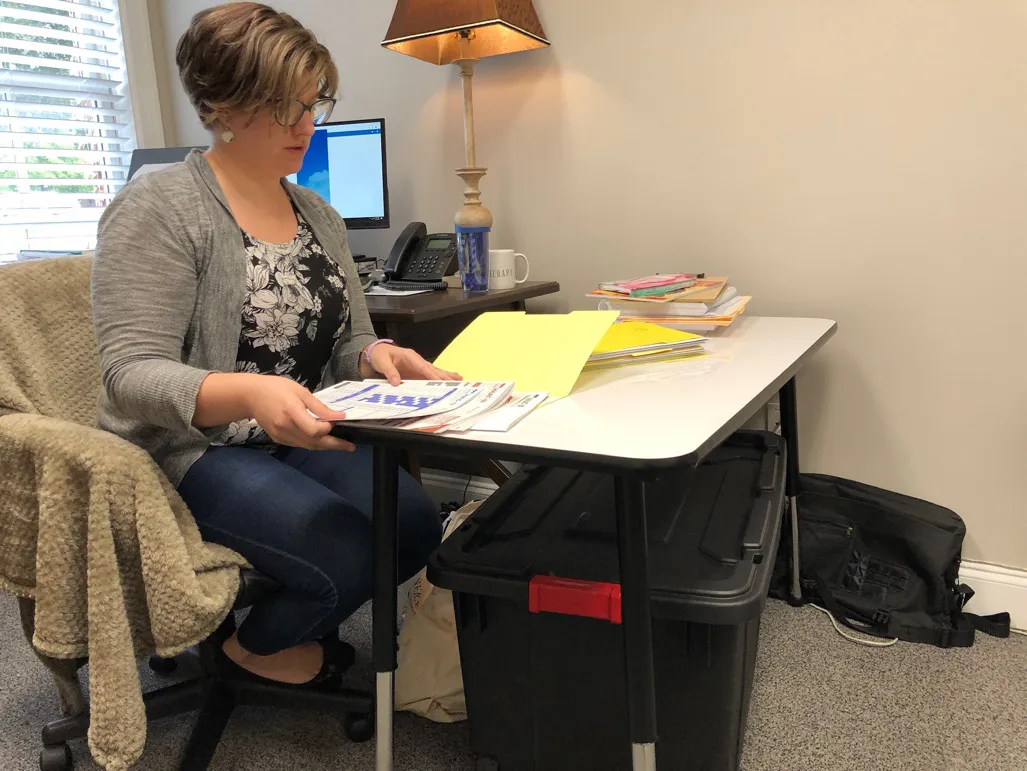

"My kid's not turning in their homework. My kid's not doing well. Their grades are slipping."
It is one of the most common worries parents bring to counseling. A dropping report card can be frightening, and it is easy to jump straight to lectures, lost privileges or extra tutoring. Often the first step is to understand why the grades are slipping, because the cause shapes what will actually help.
What could be the root cause of slipping grades?
When this happens, a good place to start is with the child's organization and prioritizing. When you think about it, there are about 30 different kids in a typical class. That's 30 different personalities being taught one strategy for when to turn in homework, how to turn it in, and how to manage their time. In counseling, that process gets broken down step by step, building on what is already working for your child. Every kid is different, and every kid is going to need a different style for learning time management, organization, and how to prioritize.
Organization is only one possible cause, though. Grades can also drop because of:
- Attention difficulties. Trouble starting tasks, losing assignments or drifting off in class can be signs of ADHD or other attention challenges.
- Anxiety or perfectionism. Some students avoid work because they are afraid it won't be good enough, then fall further behind.
- Low mood. Depression in kids and teens often looks like tiredness, irritability and loss of interest rather than obvious sadness.
- Social stress. Friendship problems, bullying or feeling left out can take up all of a child's mental energy.
- Changes at home. A move, a divorce, a new sibling or a loss in the family can show up first at school.
- Sleep and screens. Late nights and constant phone use quietly erode focus and memory.
How can I tell whether it's a skills problem or something deeper?
A few questions can help you sort it out. Did the drop happen suddenly or gradually? Is it one subject or all of them? Has your child's mood, sleep, appetite or friend group changed at the same time? Do they seem to not care, or do they care a lot and feel stuck?
A gradual slide with lots of missing assignments often points to organization and planning. A sudden drop paired with changes in mood or behavior suggests something emotional or social is going on. Talking with your child's teachers can fill in the picture, since they see how your child behaves in class and with peers.
What can parents do at home right now?
It really helps to sit down with your child and work out a system that fits them. Some practical starting points:
- Talk before you fix. Ask open questions such as "What part of school feels hardest right now?" and listen before offering solutions.
- Make work visible. A simple planner, whiteboard or checklist helps many kids see what is due and when.
- Break big tasks down. A project feels far less overwhelming as five small steps with their own deadlines.
- Set a routine. A consistent time and place for homework reduces daily negotiation.
- Build in a turn-in step. Many kids finish work and then forget to submit it. Make packing or uploading part of the routine.
- Praise effort, not just results. Noticing progress keeps motivation alive while grades recover.
When should we consider counseling?
If you have tried supporting your child at home for a few weeks without improvement, or if you notice signs of anxiety, low mood, withdrawal or increasing conflict about school, a counselor can help. Counseling gives children and teens a place to talk about what is getting in the way and to practice skills such as planning, managing stress and asking for help. It can also help parents step out of the role of homework enforcer, which often eases tension at home.
School stress and performance pressure are common reasons families reach out for teen and family counseling. When the struggles are part of a bigger picture, such as attention or mood concerns, those can be addressed together.
What does counseling for school struggles look like online?
Online sessions take place over secure video, so your child can join from home without missing more class time for appointments. Sessions might include working out a personalized organization system, practicing ways to handle test anxiety, or talking through what is happening with friends. Parents are often included for part of the time so the strategies carry over to home.
Getting help
Dr. Audrey Kteily, PhD, LPC-S, LMHC, CFLE, has more than 20 years of experience working with children, teens and families, including on adolescent issues such as school stress. She sees clients online in Texas, New Jersey and New York. If you feel your child could use additional help, contact Dr. Audrey or text or call (917) 905-3183 to schedule an appointment.